








Salesforce CRM Review For Businesses That Want More Control Over Customers Without Losing Simplicity


If you are searching for a Salesforce CRM review, you are probably trying to understand whether it actually helps teams stay organized or just adds another complicated system to manage. Most businesses want something that improves customer tracking, sales visibility, and workflow speed without requiring constant training.
Salesforce is often positioned as an all in one customer relationship platform that scales with business size. You can explore its ecosystem directly at salesforce. to see how its tools are structured across sales, service, and marketing needs. A second look at salesforce also shows how deeply it integrates into different business operations, from small teams to enterprise level setups.
This Salesforce CRM review breaks down how its core services work in real business scenarios, where it feels powerful, and where users sometimes feel overwhelmed by its depth.
Customer Data Management That Centralizes Everything In One Place
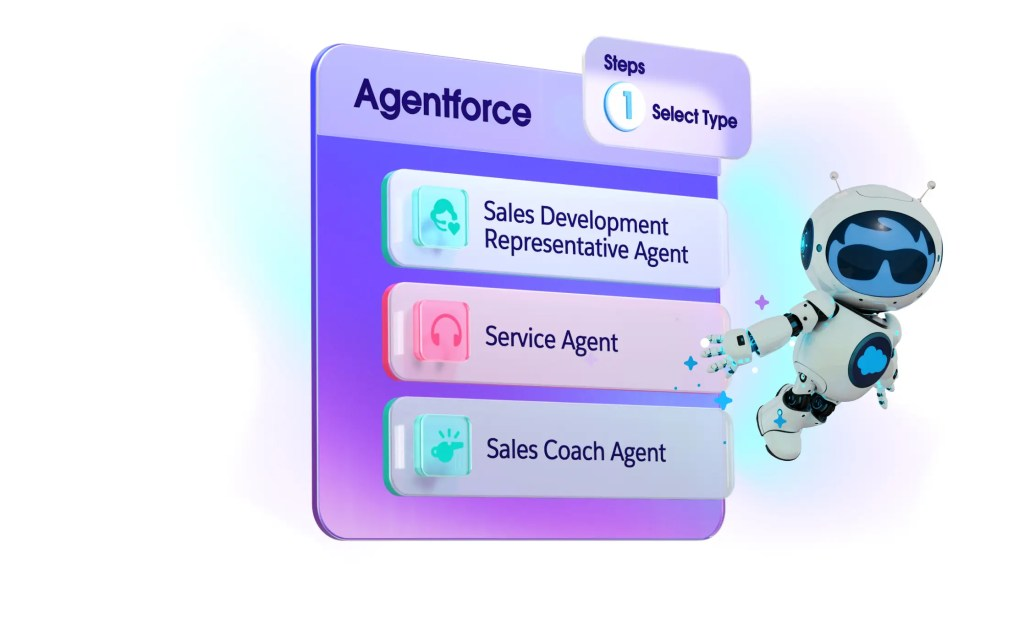
Salesforce CRM review discussions often start with its core strength, which is customer data organization. The platform is built to store contacts, interactions, purchase history, and communication logs in one system.
Instead of switching between spreadsheets or disconnected tools, teams get a unified customer profile. This helps sales and support teams respond faster because they can see full context before reaching out.
The key takeaway is control. Businesses gain a structured view of their customers, which reduces missed follow ups and duplicated work. Compared to lighter CRM tools, Salesforce leans more toward depth and scalability, which can feel complex at first but powerful long term.
For teams dealing with large customer volumes, this centralized structure becomes one of its strongest advantages.
Automation And Workflow Tools That Reduce Manual Workload
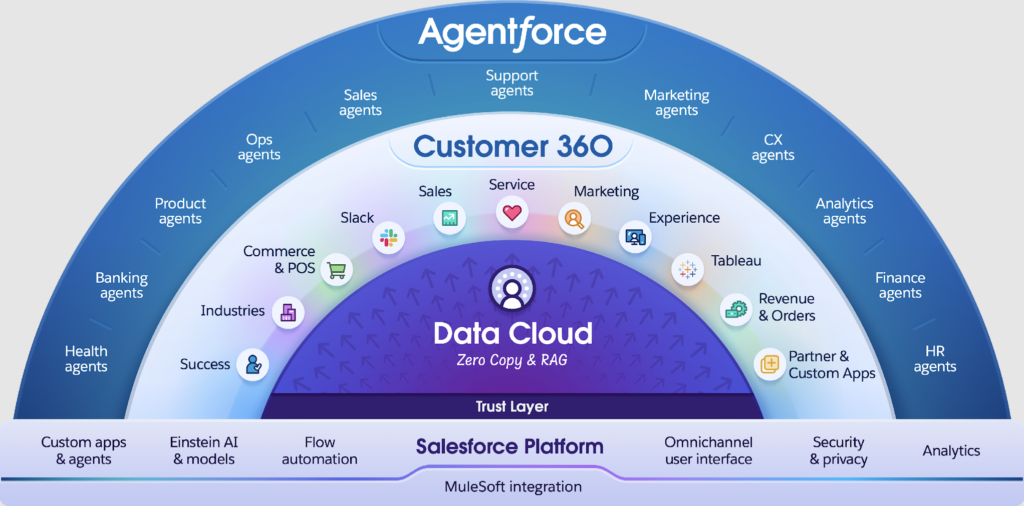
One of the most discussed parts of a Salesforce CRM review is its automation capability. The platform allows users to build workflows that handle repetitive tasks like follow up emails, lead assignments, and status updates.
This means teams spend less time on manual updates and more time on actual selling or customer engagement. Automation rules can be tailored based on triggers, which helps standardize processes across departments.
Compared to simpler CRM tools, Salesforce offers deeper customization, but it also requires more setup effort. Smaller teams may find this slightly heavy, while larger organizations benefit from its structured automation at scale.
The main takeaway is efficiency. Once configured properly, it reduces operational friction and keeps sales pipelines moving without constant manual input.
AI Insights And Analytics That Help Guide Decision Making
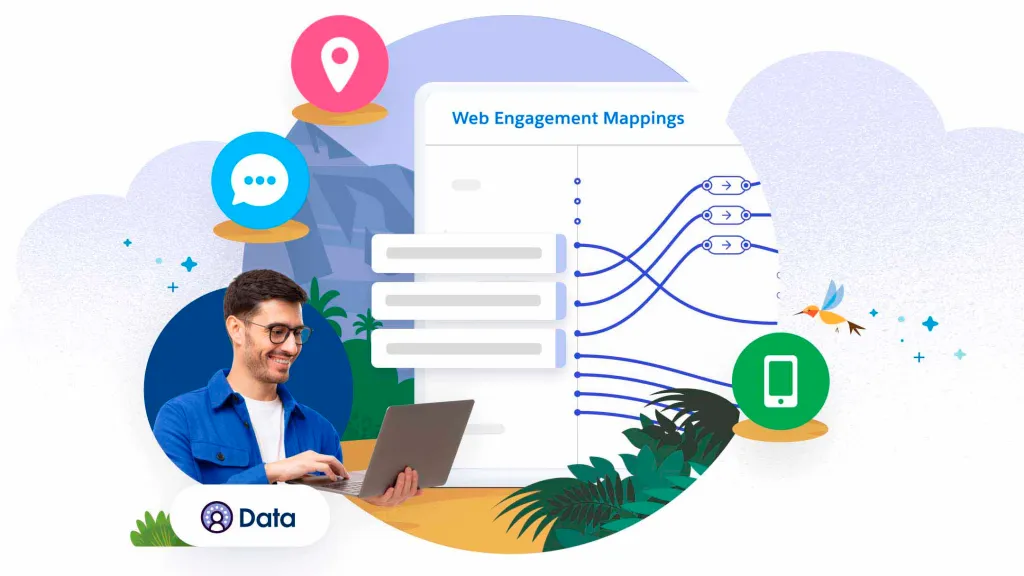
A key highlight in any Salesforce CRM review is its AI driven layer, often known as Einstein. This feature analyzes customer behavior, predicts outcomes, and suggests next best actions.
Instead of relying only on static reports, businesses get more dynamic insights into sales forecasting and customer engagement trends. This helps teams prioritize leads that are more likely to convert.
The benefit here is better decision support. Rather than guessing where to focus, users get data supported recommendations that can improve conversion rates over time.
Compared to competitors, Salesforce stands out by embedding AI directly into daily workflows instead of keeping it as a separate analytics tool. However, the value depends on how well teams use the insights provided.
Integration Ecosystem That Connects Business Tools Easily
Another strong point in this Salesforce CRM review is its large integration ecosystem. Through its marketplace, businesses can connect hundreds of third party apps for marketing, finance, communication, and customer support.
This flexibility allows companies to build a customized tech stack instead of being locked into one system. Whether it is email platforms or accounting tools, Salesforce can act as the central hub.
The takeaway is adaptability. Businesses are not forced to replace existing tools, they can connect them instead. This makes it appealing for companies with already established systems.
Compared to other CRMs, Salesforce has one of the widest integration networks, which is why it is often chosen by scaling organizations.
- Centralized customer data helps teams track interactions, reduce missed follow ups, and improve response accuracy across departments
- Automation tools streamline repetitive workflows like lead routing, follow ups, and task updates, saving time for sales teams
- AI driven insights provide predictive analytics that help prioritize leads and improve decision making
- Integration ecosystem connects third party tools, allowing businesses to build flexible and scalable tech setups
- Platform depth supports long term growth, though setup complexity can require time and training for full adoption
View all features and solutions directly at salesforce to explore how the platform fits different business needs.
POPULAR POST
- ServiceNow Review For Enterprises That Want Workflow Automation Without Losing Control Of Complex Operations

- Salesforce CRM Review For Businesses That Want More Control Over Customers Without Losing Simplicity

- CheapCaribbean.com Review For Stress Free All Inclusive Vacation Deals That Actually Feel Affordable And Easy To Book